

Fairmont Market Square brings local vendors together
When Fairmont native Mari Phelan started working at the NewBo City Market in Cedar Rapids, she was delighted with the […]
When Fairmont native Mari Phelan started working at the NewBo City Market in Cedar Rapids, she was delighted with the […]
Before we get into this issue’s column, I’ll admit that I’m a little biased about the subject of veterans. My father, Bradley Webb, was an officer in the U.S. Marine Corps, serving overseas during the first Gulf War. From the stories he’s told me, his time in the military created some of his best memories.
Heroes come in many forms, but perhaps the easiest to identify is the American service member. Many of these veterans have gone on to start their own businesses, grounded in the same core principles that they refined in the military.
United States service members face many challenges during their time in the military—and many more when trying to transition back to the civilian workforce. Minnesotan veterans are no different. The state is currently home to about 370,000 veterans, according to the U.S. Department of Veterans Affairs, with about 6,900 veterans in the nine-county south central Minnesota area.
While foreclosure numbers have declined to about what was seen before the recession, bank repossessions have jumped 66 percent year
White collar criminal investigations have fallen to a 20-year low, according to the Star Tribune. Minnesota has also seen a
Growing up, I heard all about the importance of going to college. It wasn’t just my folks who mentioned it; nearly every high school teacher also stressed how critical it was to earn that precious college degree.
You won’t get far if you never step out of your comfort zone. Business owners know this. They know the importance of weighing risks with possibilities, of balancing security and innovation. No matter the situation, rarely will a business evolve without first stepping out of that comfort zone.
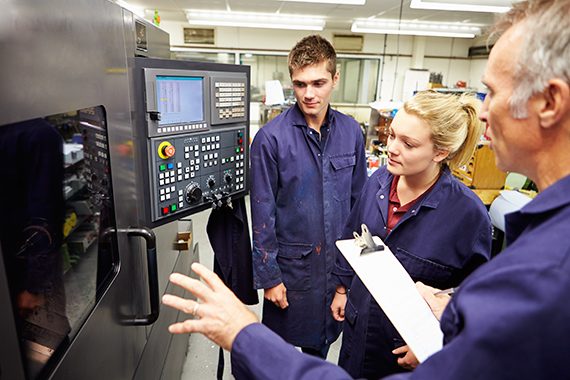
Across southern Minnesota, employers are facing a workforce shortage as they try to fill positions within their businesses—especially in the technical fields of science, engineering, technology and manufacturing. While there are several factors at play, one of the biggest is the way we look at the next generation of workers.